Formby in Winter: What to Expect from December to February
Winter is a good time for the beach and the pinewoods, but a visit works differently: on a November day the car parks close at 4pm, there is no food on site, and wintering birds need room on the shore.
By Clare, Formby Guide. November 11, 2026
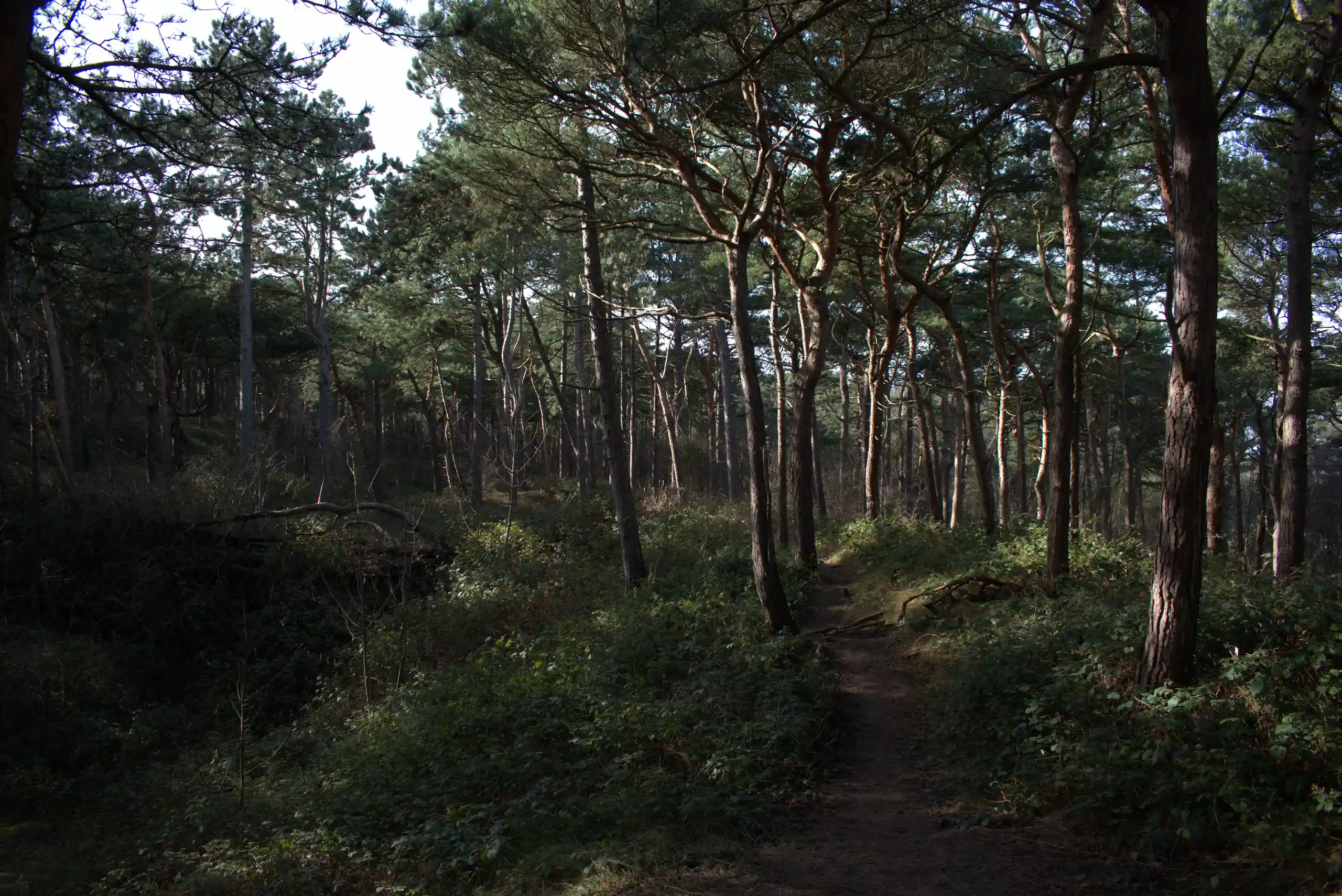
A winter visit to Formby needs a little more planning than a summer one. The car parks keep set opening hours, there is nothing to buy on site, and both the shore and the dunes have residents that need room: wintering birds and grazing cattle.
The Car Parks Close in the Afternoon
The National Trust's two car parks at Formby, Victoria Road (L37 1LJ) and Lifeboat Road (L37 2EB), change their opening hours with the season. On 11 November 2026 both were open from 09:00 to 16:00, with the toilets open from 09:30 to 16:00. Check the National Trust's Formby page on the day you go.
In practice that means starting in the morning and leaving yourself time to get back to the car before it closes, rather than racing the light across the dunes.
Parking works the same as the rest of the year. There is no booking. The car parks are ticketless with number-plate cameras, and you pay at the machine with coins or card, or with the JustPark app. National Trust members and Blue Badge holders park free. Members scan their card or check in with JustPark; Blue Badge holders tell the welcome team on arrival, as there is no option for them on the machines yet.
Clare's tip:
Coming by train means no closing time to watch. Merseyrail runs every 15 minutes: get off at Freshfield for Victoria Road and the squirrel walks, or at Formby for Lifeboat Road and the boardwalk to the beach.
Bring a Flask
The food and drink vans that park up in the National Trust car parks only come in spring and summer. Outside those seasons there is nothing to buy on site, so bring a hot drink and something to eat, or plan to finish in the village. Our Formby cafés listing covers the places to warm up afterwards.
Red Squirrels and Squirrel Pox
The pinewoods are the place to look for red squirrels, but Formby's squirrels have had a difficult year. On 20 July 2026 the Wildlife Trust for Lancashire, Manchester and North Merseyside confirmed an outbreak of squirrel pox in Formby. The disease is carried by grey squirrels without harming them, and it is fatal to reds. In the last major outbreak, in 2008, Formby's red squirrel population fell by an estimated 80%.
In July the Trust and Sefton Council asked visitors and residents to help in a few simple ways:
- Take down wildlife feeders along the Sefton Coast. Shared feeding spots can become hotspots for spreading the disease. If you want to feed wildlife at home, scatter small amounts of fresh fruit with a high water content, such as apple or melon.
- Every day, clean bird baths and any outdoor equipment that squirrels can reach, using a wildlife-safe disinfectant.
- Report what you see: healthy, sick or dead red squirrels, and any grey squirrels, on the Wildlife Trust's sightings form.
- If you see a red squirrel that looks unwell, call the Trust's Red Squirrel Team on 07590 745 862 and leave a voicemail if there is no answer.
That guidance dates from July 2026. Check the Wildlife Trust's red squirrel pages for the latest advice before you go.
The National Trust is also carrying out woodland conservation work at Formby through the autumn and winter, so you may see work going on in parts of the pinewoods.
Birds on the Shore
The Sefton shore, Formby included, is part of the Ribble and Alt Estuaries Special Protection Area, protected in large part for the birds that spend the winter here. The government's factsheet for the site lists, among others, pink-footed goose, knot, sanderling, dunlin, bar-tailed godwit, grey plover and oystercatcher.
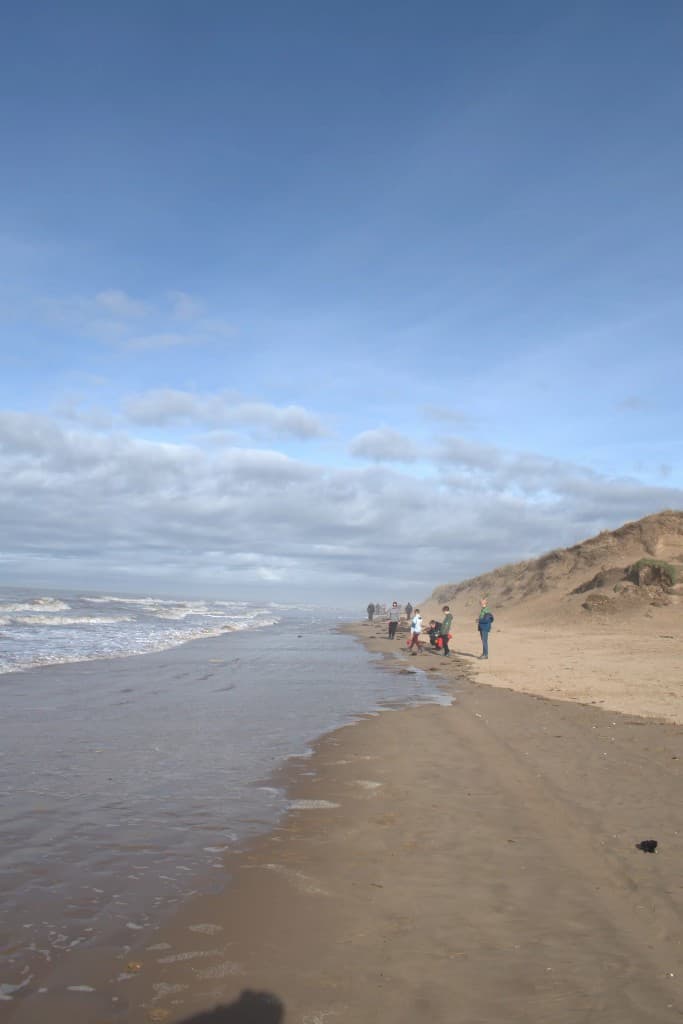
The same factsheet records concerns that beach recreation disturbs roosting flocks, and notes the effect on the birds' energy and survival, especially in winter. Every time a resting flock is put up, it burns energy it needs. If you see birds resting at the water's edge, walk round them in a wide arc and keep your dog close until you are well past.
Cattle in the Dunes
The National Trust is using conservation cattle grazing in the Formby dunes this winter as part of its work to restore the dune habitats that natterjack toads and sand lizards depend on. It asks visitors to be mindful of the cattle. Give them room, and keep dogs under close control near the grazing areas.
Footprints and Shipwrecks
A quiet winter morning at low tide is a good time to look at the older history on the beach. The National Trust points visitors to Formby's two shipwrecks and its prehistoric footprints, preserved in old layers of mud on the shoreline. Our guide to the prehistoric footprints at Formby Point explains who made them and how to look.
Practical: A Winter Visit
- →Car parks: Victoria Road, L37 1LJ, for the pinewoods and the squirrel walks. Lifeboat Road, L37 2EB, for the boardwalk to the beach. Hours change with the season, so check before you go.
- →Paying: No booking. Machine (coins or card) or the JustPark app. Members and Blue Badge holders park free; Blue Badge holders tell the welcome team.
- →Toilets: At both car parks, with baby changing. On 11 November 2026 they opened at 09:30, half an hour after the car parks.
- →Food: Nothing on site in winter. Bring a flask or finish in the village.
- →By train: Merseyrail every 15 minutes. Freshfield for Victoria Road, Formby for Lifeboat Road.
- →On the beach: Check the tide times. RNLI lifeguards only cover Lifeboat Road in the spring and summer school holidays, so there are none in winter.
- →Dogs: Welcome. Keep them under close control, especially near cattle and resting birds.
More from Formby Guide:

Clare has lived in Formby for over fifteen years. Mum of four, she knows every trail, tide time, and family-friendly spot on the Sefton Coast: and isn't shy about telling you which ones aren't worth the bother. She writes for FormbyGuide to share the kind of honest, practical tips you'd only get from someone who actually lives here.
Clare is FormbyGuide's editorial voice. Who writes the site
More from Clare →